

What We Do
The C-ECO Lab focuses on applied research in taxonomy, population ecology, conservation biology, and landscape ecology to guide biodiversity planning and management. Our work combines field studies, laboratory investigations, geospatial modeling, and data-driven analytics to understand and conserve biodiversity at different spatial and structural levels – from plant species and vegetation communities to habitats and landscapes. Our goal is to undertake applied ecological research in order to promote sustainable solutions for solving conservation problems as efficiently and economically as possible, which includes engaging with a wide range of community partners.
Dr. Vladimir Kricsfalusy
Dr. Vladimir Kricsfalusy (PhD) is an Associate Professor in the School of Environment and Sustainability, University of Saskatchewan. He was a Director for the Master of Sustainability: Regenerative Sustainability (MSs) program, formerly the MSEM program, where he coordinated student training through community engaged research projects. Dr. Kricsfalusy teaches graduate and undergraduate courses with ENVS822 Biodiversity Conservation, ENVS855 Ecological Restoration and ENVS806 Field Skills being his signature classes.

Dr. Kricsfalusy's research concentrates on applied conservation ecology informing natural resource management, often in collaboration with conservationists from different agencies. Dr. Kricsfalusy has been working in academia in Canada and Europe for over 30 years. He was also engaged in professional practice with governments, environmental NGOs and local communities. Dr. Kricsfalusy conducts studies on conservation ecology and environmental sustainability issues as team leader or principal investigator for regional, national, and international projects.
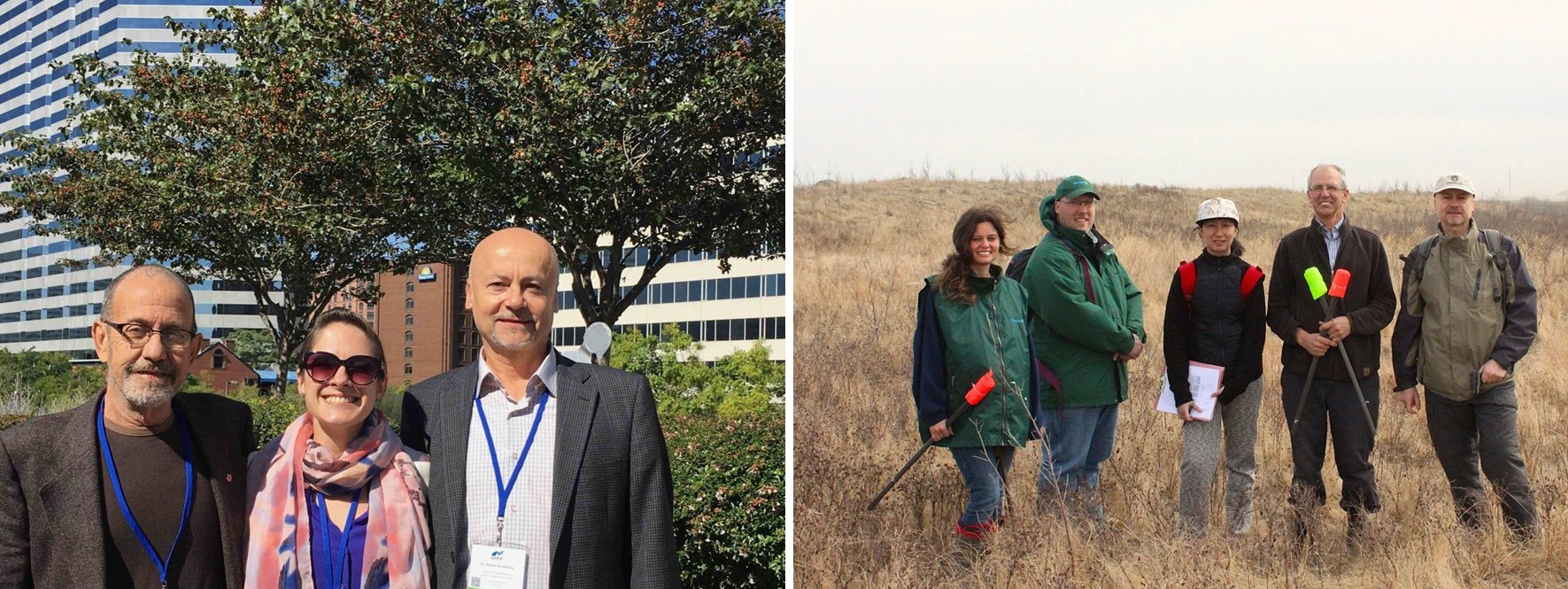


Scientific Work
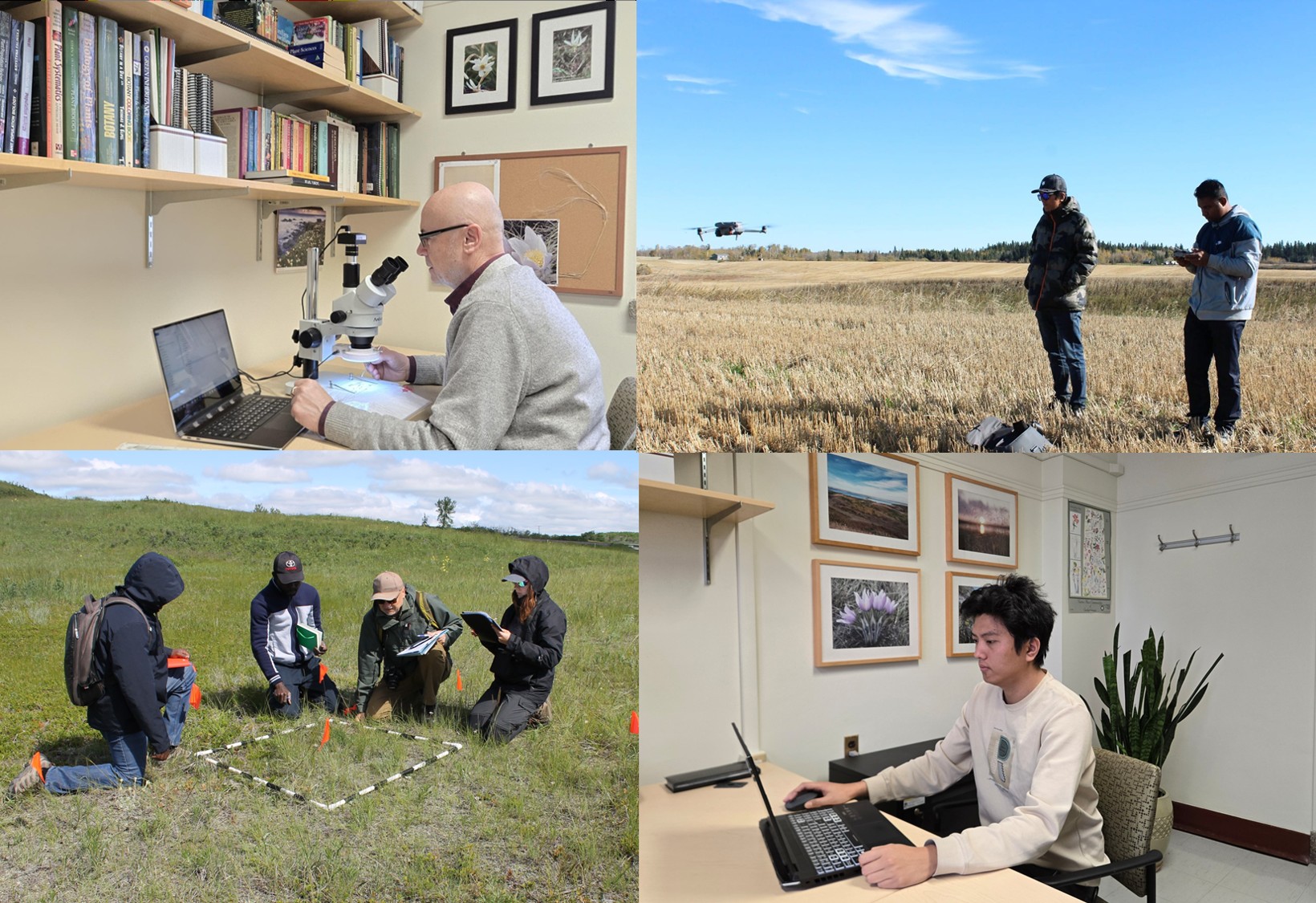
Featured Research


Featured News
USask partnership with Ukraine advances global conservation efforts
By L. Herman, Research Profile and Impact

A University of Saskatchewan (USask) research partnership is embracing ties with Ukraine to address global ecosystem health — a challenge further complicated by the Russian invasion. Read more
