

mîsî-pee-tâ-pee-gô / Graan Laak Scholarship in Métis Governance and Policy
 Research grounded in Métis knowledge and priorities is essential to building governments that reflect our values, serve our people, and strengthen our ability to govern ourselves.
The mîsî-pee-tâ-pee-gô / Graan Laak Scholarship in Métis Governance and Policy provides financial assistance to eligible Master of Public Policy (thesis-based) and PhD students at the Johnson Shoyama Graduate School of Public Policy (JSGS), University of Saskatchewan. Students pursue research in Métis governance and public policy alongside the Chair in Métis Governance and Policy.
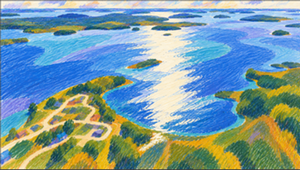
mîsî-pee-tâ-pee-gô is a Northern Michif word that means “big lake” (graan laak in Heritage Michif) and symbolizes the connection to land and recognizes how the land, in all its forms, has long been a place of higher learning for Métis people. Métis and other Indigenous students are especially encouraged to apply. Scholarship support is subject to eligibility and available funding.
Scholarship funding is conditional on admission to the MPP or PhD program. Applicants must demonstrate research interests that align with Métis governance and public policy. Funding amounts are based on financial need. For more information, please contact: yab097@mail.usask.ca
The financial support allowed me to step away from contract work and dedicate myself fully to completing my thesis, Never More Forgotten People: Indigenous Procurement, Settler-Colonial Governmentality, and Métis Resistance. Just as importantly, the scholarship affirmed that Métis-centred research matters and that Métis voices belong in the academy.”
The support I received from the Métis Governance and Policy Scholarship Award came at a very crucial time in my studies, and not only allowed me peace of mind financially, but gave me confidence in my position in the program and the career path I am working towards. I will always be deeply grateful for the immense support I have received from my community, and those who lead it, throughout my post-secondary journey.”