

About Our Research
The Ko Lab designs the hardware and the algorithms together. The question running through all of it is the same one: how do you get modern AI to run on hardware that is small, cheap and power-constrained — and how do you know you can trust the answer it gives?
Our work spans five areas, from the arithmetic circuits inside a processor to deployed systems in hospitals and on farms.
Hardware Design for Deep Learning
About the Area
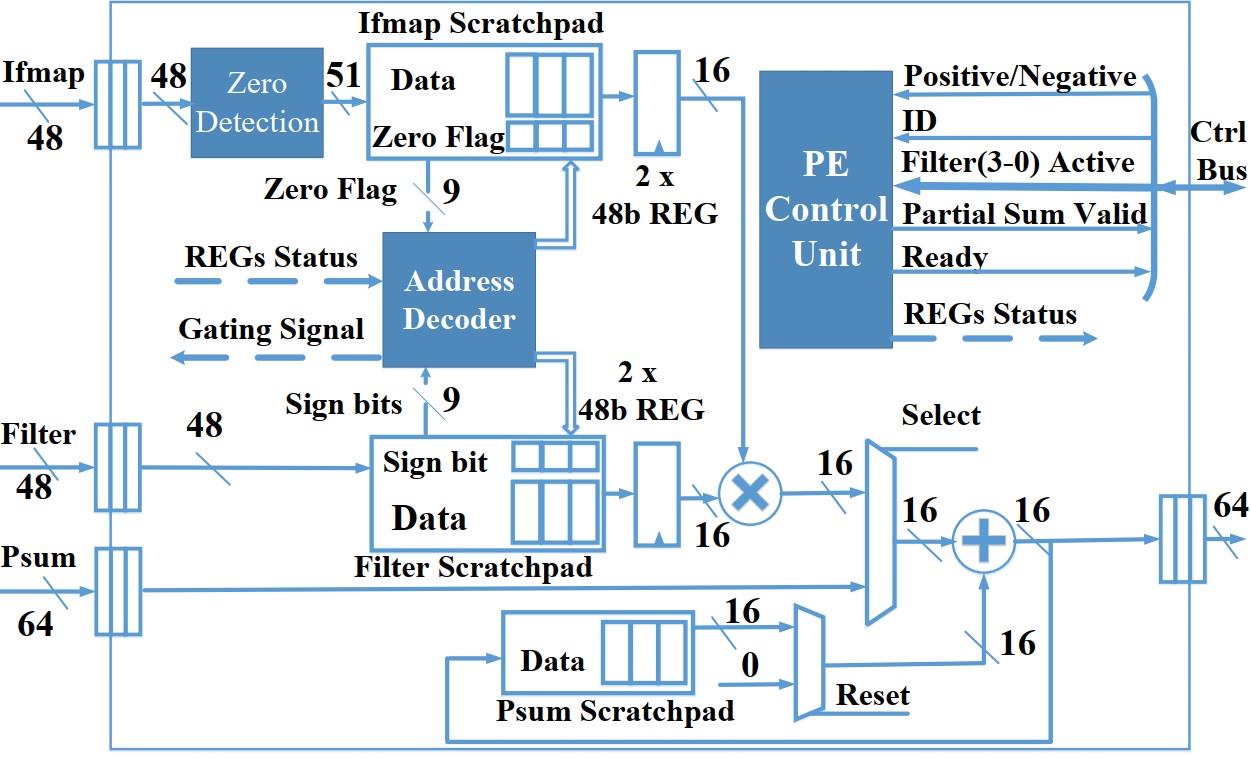
Arithmetic units and accelerator architectures that make deep learning cheaper to compute — multiple-precision fused multiply-add units, approximate multipliers and dividers, multiplier-free activation functions, sparse-network microarchitecture and spiking neural network processing.
Efficient and Compressed AI Models
About the Area
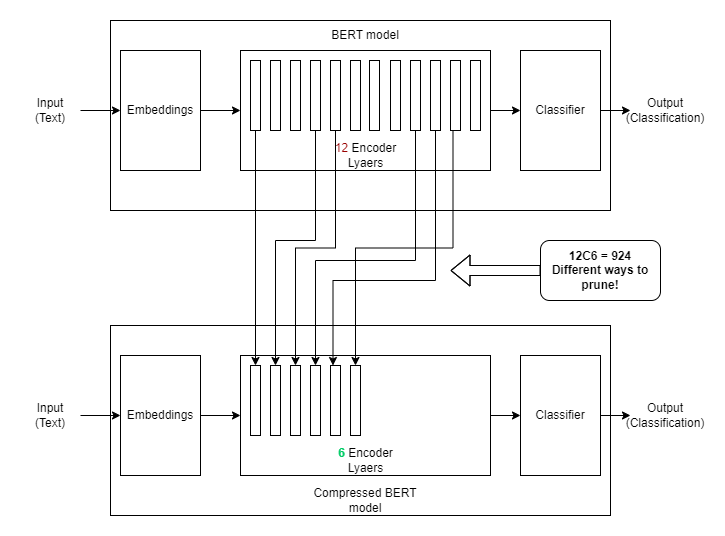
Large models do not fit on edge hardware. We shrink them through pruning, quantization and architecture search — including a short-training proxy that makes exhaustive transformer pruning search affordable, and a more stable route to ternary quantization.
Security, Privacy and Cryptography
About the Area
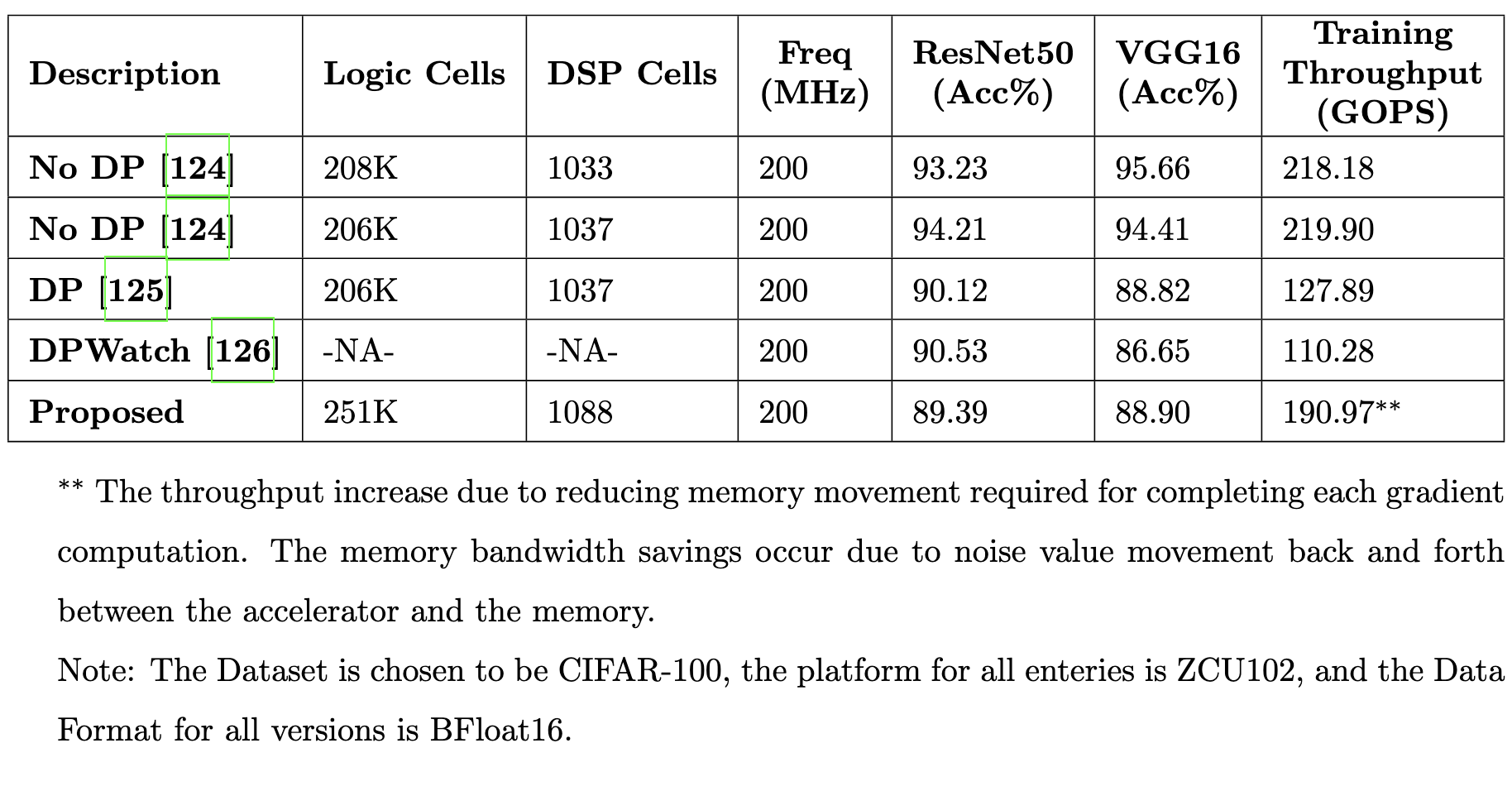
Efficient AI is not enough if it cannot be trusted. We build differential privacy accelerators that generate Gaussian noise in hardware, lightweight intrusion detection small enough for constrained devices, and cryptographic circuits for IoT and post-quantum settings.
Medical Imaging and Biomedical AI
About the Area
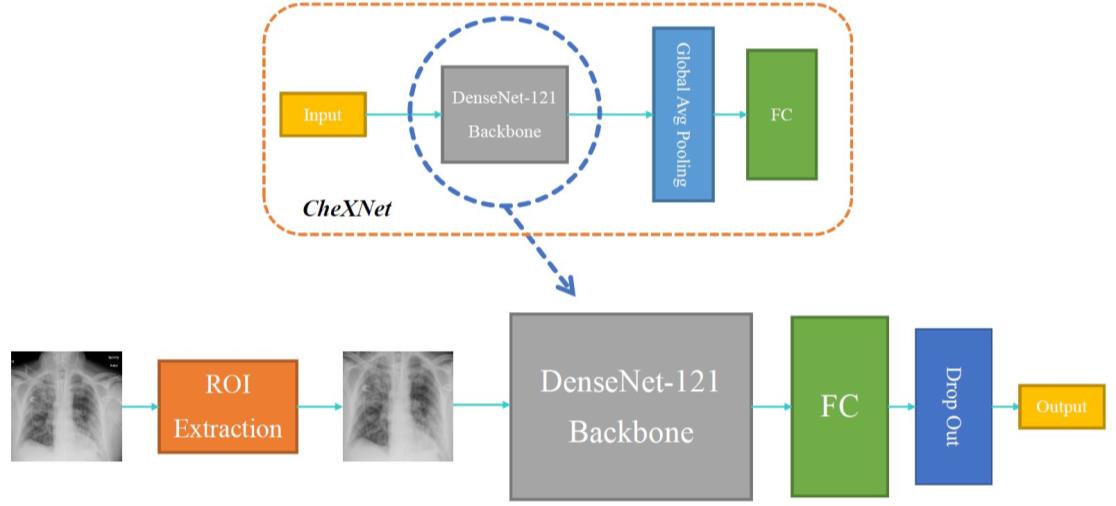
Working with radiologists and clinical collaborators, we build systems that read medical images and biomedical signals — early detection of ankylosing spondylitis, rib fracture classification, chest radiographs, breast ultrasound, dental caries and EEG — and we test them against the specialists they are meant to support.
Computer Vision and Applied AI
About the Area
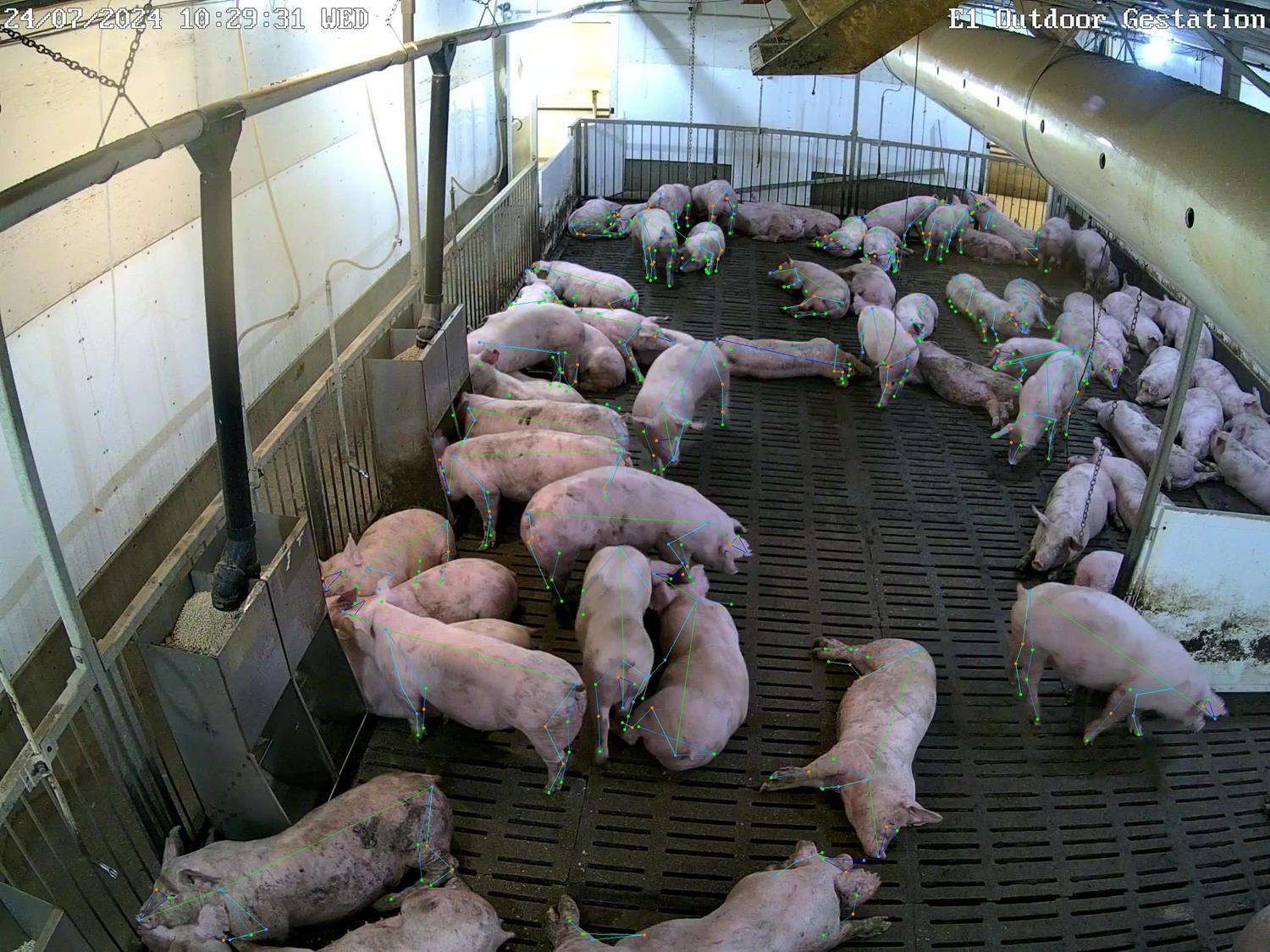
The same methods solve problems well outside the clinic: livestock welfare monitoring, crop yield prediction from drone hyperspectral imagery, licence plate and commercial vehicle inspection, super-resolution, and document and text understanding.